


Understanding Piriformis Syndrome (Often Mistaken for Sciatica)
Updated: Jan 5
If you’ve ever had that nagging pain in your buttock that seems to shoot down your leg, it might not be a slipped disc, it could be piriformis syndrome. The piriformis is a small muscle deep in your butt that helps rotate your hip. Sometimes it tightens or spasms and irritates the nearby sciatic nerve, causing “sciatica-like” pain. Here’s a quick, friendly breakdown of what’s going on and how to get relief, plus answers to some common Google questions people search.
What Is Piriformis Syndrome?
Location: The piriformis sits deep in your buttock, right over the sciatic nerve in most people.
Problem: When that muscle tightens, it pinches or rubs the nerve, sending pain, tingling, or numbness down your leg.
Difference from Spine-Related Sciatica: With a disc issue, bending forward usually makes things worse. With piriformis syndrome, sitting for long periods or certain hip moves (like crossing your leg) often trigger or worsen symptoms.
Why It Happens (What causes buttock pain that radiates down the leg?)
People ask “What causes buttock pain that radiates down the leg?” because that exact symptom sounds scary. In piriformis syndrome, a tight or irritated piriformis muscle presses on the sciatic nerve, so you feel pain from your buttock into your thigh or calf.
Key culprits include:
Too Much Sitting: Desk jobs, long drives, or ANY situation that keeps you seated can make the piriformis shorten and tighten.
Repetitive Sport or Exercise: Runners, cyclists, or people who do lots of hip-rotation workouts can overwork that tiny muscle.
Muscle Imbalances: If your glutes or hip stabilizers are weak, the piriformis steps in to help, eventually getting overloaded and tight.
Trauma or Irritation: A fall on your butt, sitting unevenly (wallet in back pocket), or even poor posture can irritate the area.
When the piriformis spasms or develops trigger points, it compresses the sciatic nerve, causing that classic radiating buttock-to-leg pain.
Common Symptoms (What is the pain in the side of the leg near the bum?)
People sometimes describe, “I feel pain in the side of my leg near the bum—what is that?” If you sense a dull ache or sharp twinge deep in your buttock, especially on one side, and it seems to “travel” down the back or side of your thigh, you’re likely dealing with piriformis syndrome.
Look out for:
Buttock-Centric Pain: Often worse when sitting on a hard surface, after driving, or during prolonged standing still.
Radiating Sensation: Burning, tingling, or numbness, sometimes down the back of the thigh, calf, or even into the foot.
Pain with Hip Rotation: Simple moves like crossing your leg (ankle over knee) can trigger or worsen the pain on that side.
Difficulty Sleeping on One Side: Trying to lie on the “bad” side can feel nearly impossible.
If your pain is more on the side of the thigh (rather than the straight-back-of-leg path), it might still be piriformis-related, or in some cases, another deep hip muscle. A quick check: lie on your back, cross that ankle over the opposite knee, and pull your thigh toward your chest. If you feel a deep buttock stretch, that’s your piriformis talking.
Simple Stretches & Nerve Glides (How do I get a sciatic nerve to stop hurting?)
Many folks ask, “How do I get a sciatic nerve to stop hurting?” The good news is that gentle stretches and nerve-gliding moves can rapidly ease irritation.
Start with these:
Move Gently: A mild pull or stretch is fine—sharp pain means stop or back off.
Supine “Figure-4” Stretch (Lying Down)
Lie on your back, knees bent, feet flat.
Cross the ankle of the sore side over the opposite knee.
Gently pull the uncrossed leg toward your chest until you feel a stretch deep in your butt.
Hold 30 seconds, then switch sides.
2. Seated Piriformis Stretch
Sit tall in a firm chair, feet flat on the floor.
Cross the affected ankle over the opposite knee.
Lean forward from the hips (keep your back straight) until you feel that familiar buttock stretch.
Hold 30 seconds; repeat 2–3 times.
3. Pigeon Pose (Modified)
Start on hands and knees.
Slide one knee forward and the opposite leg straight back, then square your hips.
Fold forward gently until you feel a stretch in the buttock.
Hold 20–30 seconds, then switch sides.
4. Seated Sciatic Nerve Glide
Sit on a chair with good posture.
Extend one leg straight out, toes pointed up.
Nodding your head forward (chin to chest) as you straighten the knee, then lean your head back as you bend the knee.
Repeat slowly 10 times, breathing throughout.
5. Standing Hamstring–Sciatic Glide
Stand and rest the heel of the affected leg on a low step or chair, keeping the knee straight and toes up.
Nod your chin toward your chest until you feel a gentle pull down the back of your leg.
Lift your head up as you lower the leg.
Repeat 10–15 tim
Combine these with a heat pack on your butt for 10 minutes beforehand to loosen things up. Gentle walking is great too, as it promotes blood flow without overworking the hip.
Quick Tips for Faster Relief
Use Heat First: A warm shower or heat pack on your buttock for 10 minutes can loosen things up before stretching.
Stay Active but Avoid Aggravators: Gentle walking is great. Skip deep squats or long runs until you’re feeling better.
Strengthen Your Glutes & Hips: Once pain eases, add exercises like glute bridges, clamshells, or side-lying leg lifts to balance things out.
Mind Your Posture: If you sit a lot, set a timer to stand up every 30 minutes—walk around and do a quick stretch.
Frequently Asked Questions
Can sciatica pain be on the left side?
Absolutely. Sciatica (or piriformis-related pain) can occur on either side—left, right, or even both. It all depends on which piriformis (or lumbar nerve root) is irritated. So if your pain is strictly on the left side, that piriformis might be the culprit, or maybe there’s a left-sided disc bulge. Either way, these same stretches and strategies apply.
What causes buttock pain that radiates down the leg?
As covered above, when the piriformis muscle tightens or spasms, it pinches or irritates the sciatic nerve, sending that dull ache or sharp twinge from your buttock down your leg. Repetitive strain (like running or cycling), long periods of sitting, muscle imbalances, or direct trauma (a fall on your butt) are the usual suspects.
How do I get a sciatic nerve to stop hurting?
Focus on gentle stretching and nerve-flossing techniques (like the Seated Sciatic Nerve Glide or Supine Figure-4 Stretch). Use heat before stretching, stay active with easy walks, and once pain lessens, strengthen hips and glutes so the piriformis doesn’t have to overwork. If home care doesn’t help within a week or two, reach out to a clinician for a hands-on assessment.
What is the pain in the side of the leg near the bum?
That’s often your piriformis or another deep hip muscle irritating the sciatic nerve—or sometimes an irritated branch of the superior gluteal nerve. If crossing your ankle over the opposite knee and pulling your thigh toward your chest reproduces that exact pain, it’s a strong sign the piriformis is involved.
When to See a Pro
Most people feel relief in a week or two with these self-care steps.
Book an appointment if you notice:
Persistent, Unrelenting Pain that doesn’t improve with rest or gentle stretching
Severe Numbness/Weakness in your leg or foot
Changes in Bowel or Bladder Function (a big red flag)
A quick hands-on assessment can confirm whether it’s truly the piriformis or something coming from your spine.
How NUYU Sports Clinic Can Help You Beat the Pain
At NUYU Sports Clinic, we focus on practical, personalized care to get you moving comfortably again:
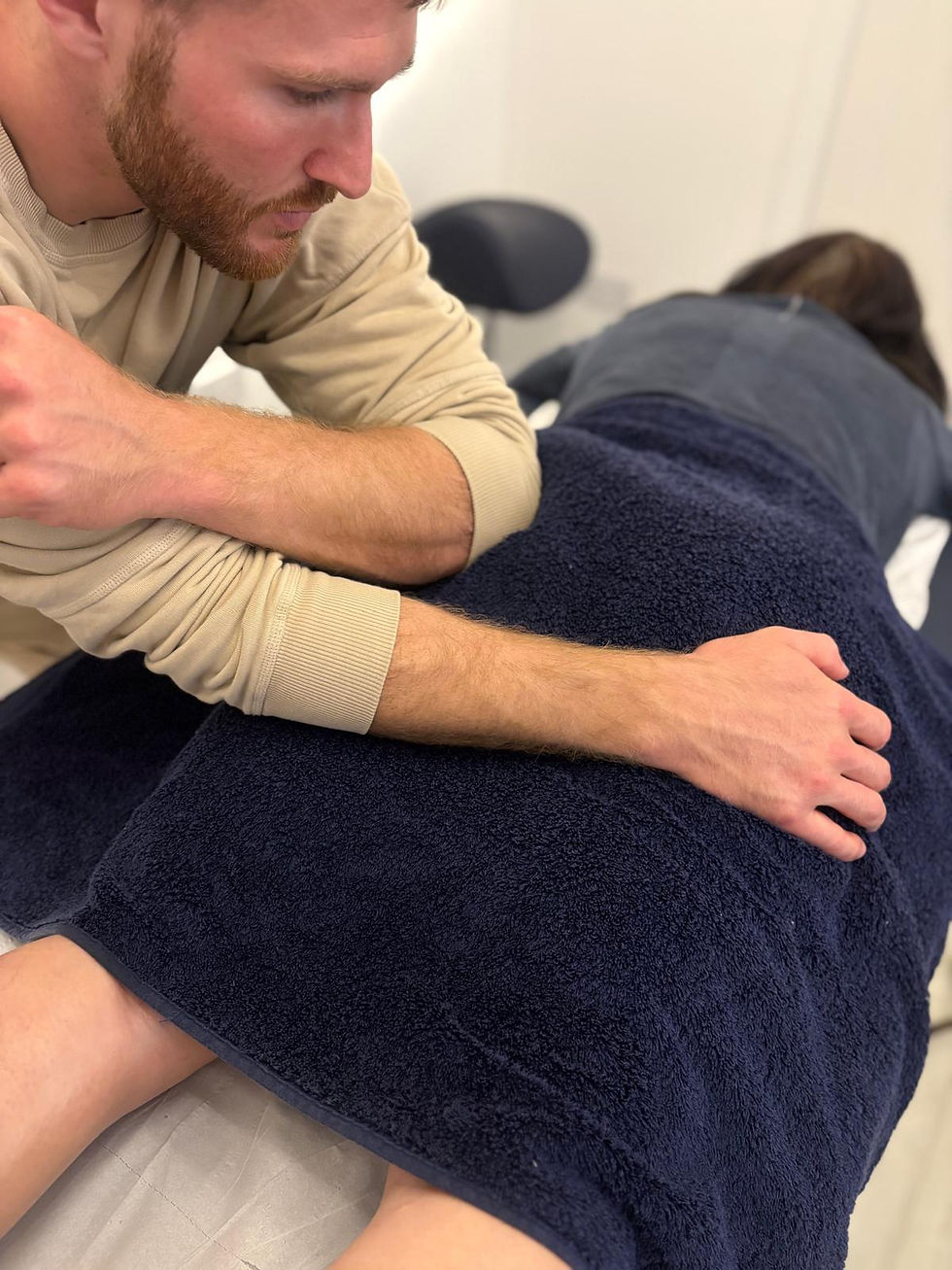
Hands-On Release: Gentle myofascial techniques and trigger-point work to relax the piriformis and surrounding tissues.
Targeted Exercises: A simple plan to strengthen underactive glutes and hip muscles so the piriformis doesn’t have to compensate.
Nerve Mobilisation Coaching: Safe, effective nerve glides tailored to your symptoms.
Movement & Ergonomic Advice: Tweaking your desk setup or adjusting running form, we help you address the root cause, not just mask the pain.
Think of us as your partner in getting rid of that buttock-to-leg pain for good, no jargon, no fluff, just straightforward solutions.
If you're struggling with pain from sciatica or piriformis syndrome, massage therapy at NUYU Sports Clinic in Dronfield may help. Book an appointment or get in touch for personalised advice
Contact NUYU Sports Clinic and let’s get you back to the activities you love, pain-free.
Phone: 07821469512
Email: enquiries@nuyusportsclinic.co.uk
We look forward to helping you move with ease and confidence again!
Disclaimer: This post is for general information and should not replace personalised medical advice. If you have severe or worsening symptoms, please consult your healthcare provider.
Comments